How to Sell Music Beats Online
In this article
You made a beat. Now you need someone to buy it.
Selling beats online is not the same business as selling finished songs. A beat is a license, not a single sale. The same instrumental can sell to five different artists at once under a non-exclusive lease, or sell once to one buyer who wants full exclusivity and no competition. Get the license model wrong and you either underprice a track that could have sold ten times over, or you sign away exclusive rights for the price of a lease.
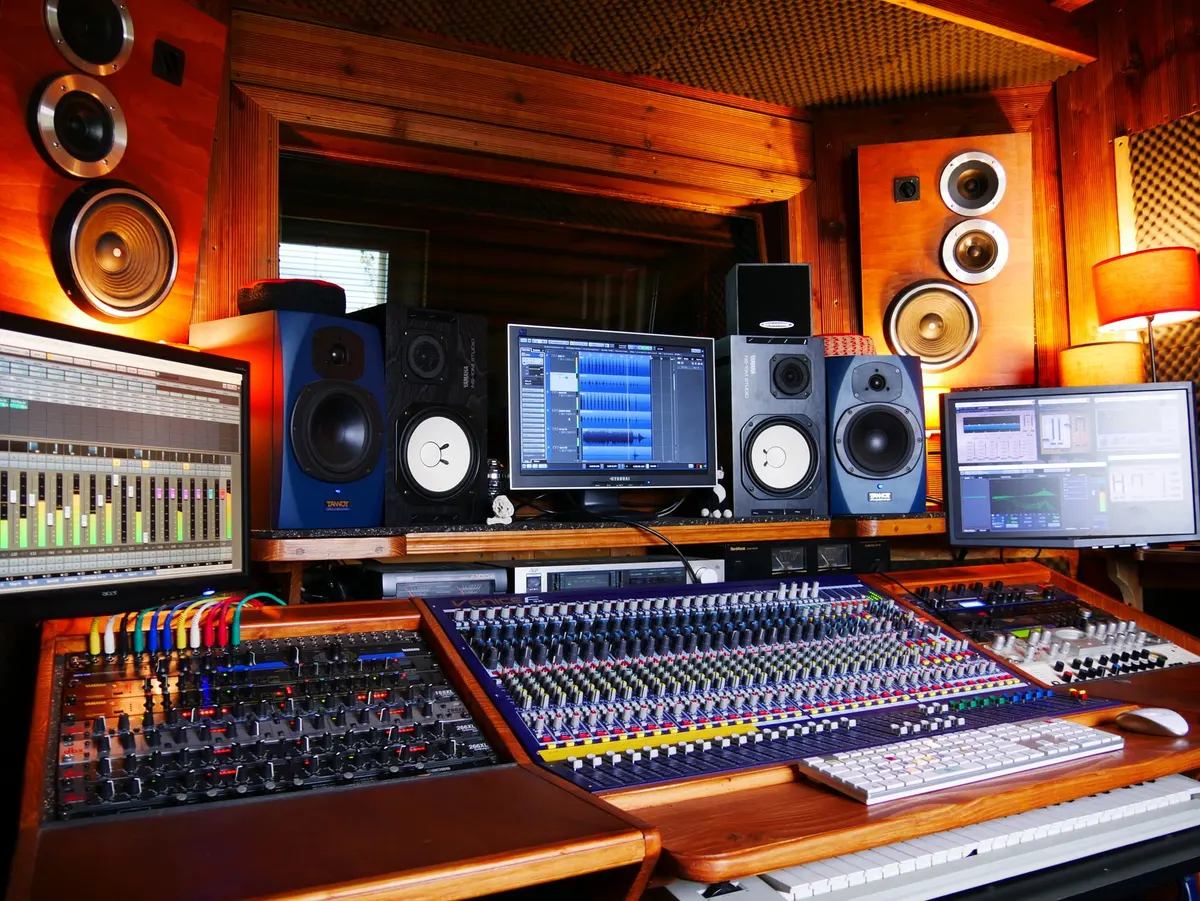
This guide covers the three real paths to selling beats online in 2026: marketplace platforms like BeatStars and Airbit, where buyers already come looking for instrumentals; and direct sales through your own store or Gumroad, where you keep full control but bring your own traffic. It also breaks down the license types every beat seller needs to understand before listing a single track.
What you need to start: finished, mixed instrumental files (WAV and MP3, both untagged and tagged versions), cover art for each beat or pack, and a decision on which license tiers you will offer. Nothing else is required before your first beat goes live.
Should You Sell Beats on a Marketplace or Your Own Site?
Beat marketplaces like BeatStars and Airbit put your instrumentals in front of buyers who are already searching for beats, in exchange for a subscription fee or a cut of each sale. Selling direct through your own site or Gumroad keeps 100% of licensing revenue (minus payment processing) but sends you zero buyers on its own. Most working producers use a marketplace for discovery and a direct storefront for their existing audience.
These two models solve different problems, and most sellers eventually run both.
A marketplace works when you have no existing audience yet. BeatStars and Airbit both run their own search and browse traffic, so a new producer with zero followers can still get discovered. The tradeoff is a subscription fee, a commission on some plans, or both, plus competition from thousands of other producers in the same genre tags.
Direct sales work once you have any audience at all, whether that is a following on Instagram, a YouTube channel, or a mailing list. You keep the full listing price and the buyer relationship. Nobody sends you traffic, so this only works if you already have somewhere to send people.
How Does Selling Beats on BeatStars Work?
BeatStars is a beat marketplace with a free tier at a 30% marketplace commission and paid Pro Page plans, including a $9.99/month Unlimited tier at roughly 3% commission and higher tiers with no seller commission, per BeatStars’ own pricing documentation. BeatStars also applies a separate buyer-side service fee at checkout, which sellers can choose to absorb instead, cutting their own payout by about 12%.
BeatStars is the largest dedicated beat marketplace by catalog size and buyer traffic, which makes it the default starting point for most new producers.
Setup steps:
- Create a BeatStars account and set up your Pro Page, the storefront that hosts your beat catalog.
- Upload untagged WAV and tagged MP3 versions of each beat, along with cover art.
- Set your license tiers and prices for each beat (covered in the license section below).
- Choose a subscription plan based on how many beats you plan to sell and how much commission you are willing to pay per sale.
- Publish your Pro Page and start tagging beats with genre, mood, and BPM so buyers searching the marketplace can find them.
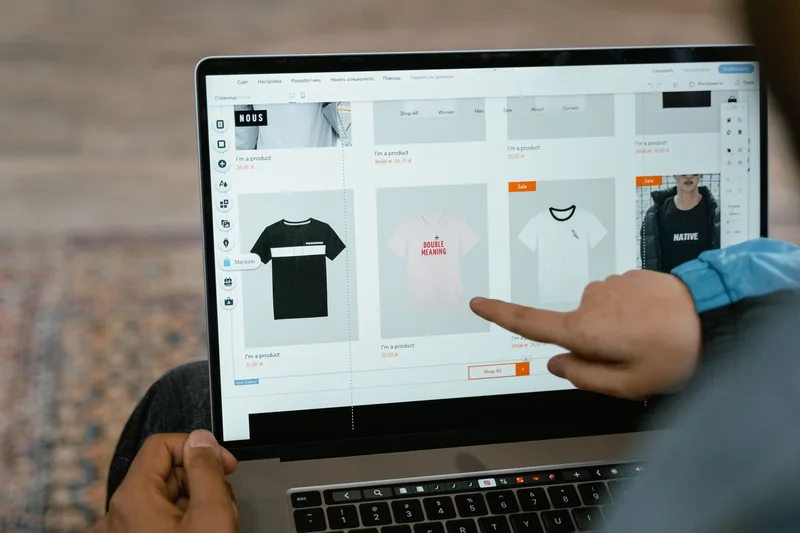
The free plan is a reasonable way to test whether your beats sell before committing to a subscription, but the 30% commission adds up fast once sales start. Most active sellers move to a paid tier within their first few months, per BeatStars’ published plan comparison.
How Does Airbit Compare to BeatStars?
Airbit removed all marketplace seller commissions in 2026, per an official announcement from its parent company, BandLab Technologies, meaning producers keep the full listing price of every sale minus standard payment-processor fees (typically around 2.9% plus $0.30 per transaction via PayPal or Stripe). Airbit still offers tiered subscription plans for storage and catalog size, but none of them take a cut of your sales.
Airbit’s pitch is simple: no commission, ever, on any plan. That makes the math easier to plan around than BeatStars’ mixed commission structure, especially for a producer with a large back catalog moving steady volume.
The tradeoff is discovery. BeatStars has a larger existing buyer base actively browsing the marketplace, so a brand-new Airbit page may see less organic traffic than a comparable BeatStars Pro Page in the first few months. Producers who already have an audience to direct to their storefront feel this tradeoff less than producers relying entirely on marketplace search.
Not sure which platform fits your catalog size? Compare every major digital product platform side by side in our platform comparison guide.
What Are the Different Types of Beat Licenses?
Beat licenses fall into three tiers: non-exclusive leases, which let multiple artists buy rights to the same beat at a lower price; exclusive licenses, which sell full rights to one buyer and remove the beat from sale to anyone else; and unlimited or premium leases, which sit between the two with fewer restrictions than a basic lease. Most beat sellers offer all three tiers on every track.
Getting the license structure right is the single biggest factor in how much revenue one beat can generate.
Non-exclusive lease. The buyer gets rights to use the beat under specific terms (usually a distribution or streaming cap), but you keep the right to sell the same beat to other artists. This is the entry-level tier and typically the highest-volume seller because of its lower price point.
Unlimited lease. A step up from a basic lease, usually removing distribution and streaming caps while still allowing you to resell the beat to others. This tier fills the price gap between a basic lease and full exclusivity.
Exclusive license. The buyer pays a premium to be the only artist who can use the beat. Once sold exclusive, the track comes off your marketplace listing entirely. This is the highest price point per sale but the lowest volume, since it can only sell once.
Trackout / stems. An add-on rather than a standalone tier: the buyer receives individual instrument stems instead of just the final mixed file, usually at an additional cost on top of whichever license they choose. Mixing engineers and artists doing their own final mix want this option.
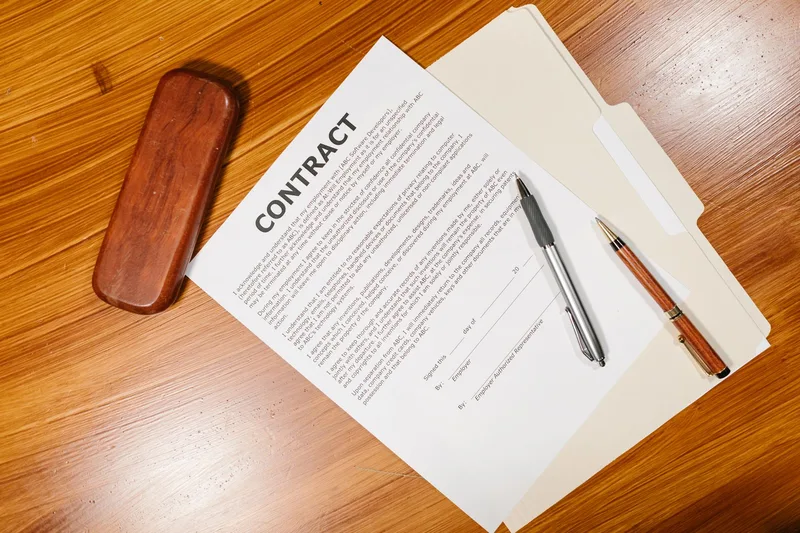
Every platform in this guide, and every direct sale, needs a written license agreement attached to the transaction. BeatStars and Airbit both generate this automatically at checkout. If you sell direct through Gumroad or your own site, you need your own license template attached to the delivery, since neither platform provides one built for beat licensing specifically.
Can You Sell Beats Directly Without a Marketplace?
Yes. Producers can sell beats directly through Gumroad, which charges a flat 10% fee per sale per gumroad.com/pricing, or through a self-hosted storefront. Direct sales work best for producers who already have an audience on YouTube, Instagram, or a mailing list, since neither option sends buyers to your page on its own.
Selling direct removes the marketplace’s cut and the marketplace’s competition, but only makes sense once you have somewhere to send buyers.
How this works in practice:
- Upload your tagged preview file, untagged WAV, and license terms as a product listing on Gumroad or your own site.
- Set separate price points for each license tier, matching the same non-exclusive, unlimited, and exclusive structure used on marketplaces.
- Attach a license agreement PDF to the automatic delivery so buyers receive proof of usage rights with their download.
- Promote the listing link through the channels where your audience already exists: beat placement videos, Instagram previews, or a YouTube channel showcasing your catalog.
Direct sales pair well with a marketplace presence rather than replacing it. Many producers list the same beat on BeatStars or Airbit for discovery while also linking a direct Gumroad page in their own content for buyers who found them first.
How Much Should You Charge for a Beat License?
Non-exclusive beat leases typically list between $20 and $60, unlimited leases between $60 and $150, and exclusive licenses from $150 to $500 or more, based on typical pricing observed across BeatStars and Airbit marketplace listings. Exact pricing depends on genre demand, your catalog size, and how established your page already is.
| License Tier | Typical Price Range | Resale Rights | Best For |
|---|---|---|---|
| Non-exclusive lease | $20 - $60 | You keep rights, can resell | High-volume entry-level sales |
| Unlimited lease | $60 - $150 | You keep rights, can resell | Buyers wanting fewer usage caps |
| Exclusive license | $150 - $500+ | Beat removed from sale after purchase | One-time premium sale |
| Trackout / stems add-on | +$20 - $50 on top of chosen tier | Depends on base license | Mixing engineers, final-mix control |
Treat this table as a starting structure, not a fixed price list. A producer with a large catalog and an established Pro Page can price toward the higher end of each range; a brand-new page with no sales history usually needs to start lower to earn its first reviews and repeat buyers.
What Are the Pros and Cons of Selling Beats Online?
Pros:
- Multiple license tiers mean one beat can generate several sales instead of just one, unlike a fully exclusive product.
- Marketplaces like BeatStars and Airbit provide built-in buyer search traffic, so you can make sales without an existing audience.
- Direct sales through Gumroad let you keep the full price once you have your own traffic source.
- You can run a marketplace page and a direct storefront at the same time with no exclusivity conflict, unlike a single-platform product business.
Cons:
- Non-exclusive pricing means individual sales are lower value than a one-time exclusive product, so volume matters more than any single transaction.
- Marketplace commission and subscription fees cut into revenue on every plan except Airbit’s zero-commission tiers.
- You are responsible for your own license agreements and terms enforcement outside of BeatStars’ and Airbit’s built-in systems.
- Genre-tagged marketplaces are crowded. Standing out in a saturated tag like “trap” or “lo-fi” takes consistent uploads and strong tagging, not a single upload.
Frequently Asked Questions
How much does it cost to sell beats on BeatStars?
BeatStars offers a free tier with a 30% marketplace commission, and paid Pro Page plans starting around $9.99/month that drop commission to roughly 3% or lower, per BeatStars’ published pricing. Higher-tier plans remove seller commission entirely but still apply a checkout service fee unless the seller chooses to absorb it.
Is Airbit really commission-free?
Yes, as of Airbit’s 2026 policy change announced by parent company BandLab Technologies, all Airbit subscription plans carry 0% marketplace commission. Sellers still pay standard third-party payment processing fees, typically around 2.9% plus $0.30 per transaction through PayPal or Stripe, which is separate from any platform commission.
What is the difference between a lease and an exclusive beat license?
A lease grants one artist limited usage rights while you keep the right to sell the same beat to other artists, usually under a distribution or streaming cap. An exclusive license sells full rights to one buyer only, and the beat comes off your catalog permanently once sold, which is why exclusive licenses typically cost several times more than a lease.
Can I sell the same beat on BeatStars and Airbit at the same time?
Yes, as long as you have not sold an exclusive license for that specific beat. Non-exclusive and unlimited leases are not tied to a single platform, so producers commonly list the same instrumental on both BeatStars and Airbit to maximize discovery, provided the beat has not already been sold exclusively elsewhere.
Do I need a written contract for every beat sale?
Yes. Every beat sale, lease or exclusive, needs a license agreement defining what the buyer can and cannot do with the track. BeatStars and Airbit generate this automatically at checkout. Selling direct through Gumroad or your own site requires attaching your own license template to the delivery, since neither platform builds one specifically for beat licensing.
Ready to List Your First Beat?
Start with whichever platform matches your situation: BeatStars if discovery matters most right now, Airbit if you want to avoid commission entirely, or a direct Gumroad listing if you already have an audience to send to it. Most producers end up running more than one at the same time.
Compare every platform for digital products side by side in our platform comparison guide, or read the full walkthrough on how to sell digital products if you are still deciding what else to sell alongside your beats.
Keep Reading
What to Do Next
Choose the path that fits where you are right now.
Score Your Ideas
Answer a few questions about your skills, audience, and goals. Get a product type and selling platform matched to you.
Take the QuizGet Weekly Tactics
One tip, one tool, one case study. Every Tuesday.
Free. No spam. Unsubscribe anytime.